Introduction
For decades, modern healthcare has focused primarily on managing symptoms rather than addressing the root causes of disease. While this approach has delivered significant advancements, it often leaves patients caught in a cycle of temporary relief without long-term solutions.
Today, a new model is emerging—one that shifts the focus from reactive treatment to proactive healing. Regenerative medicine represents this shift, offering a future where the body is supported to repair itself at the cellular level.
What Is Regenerative Medicine?
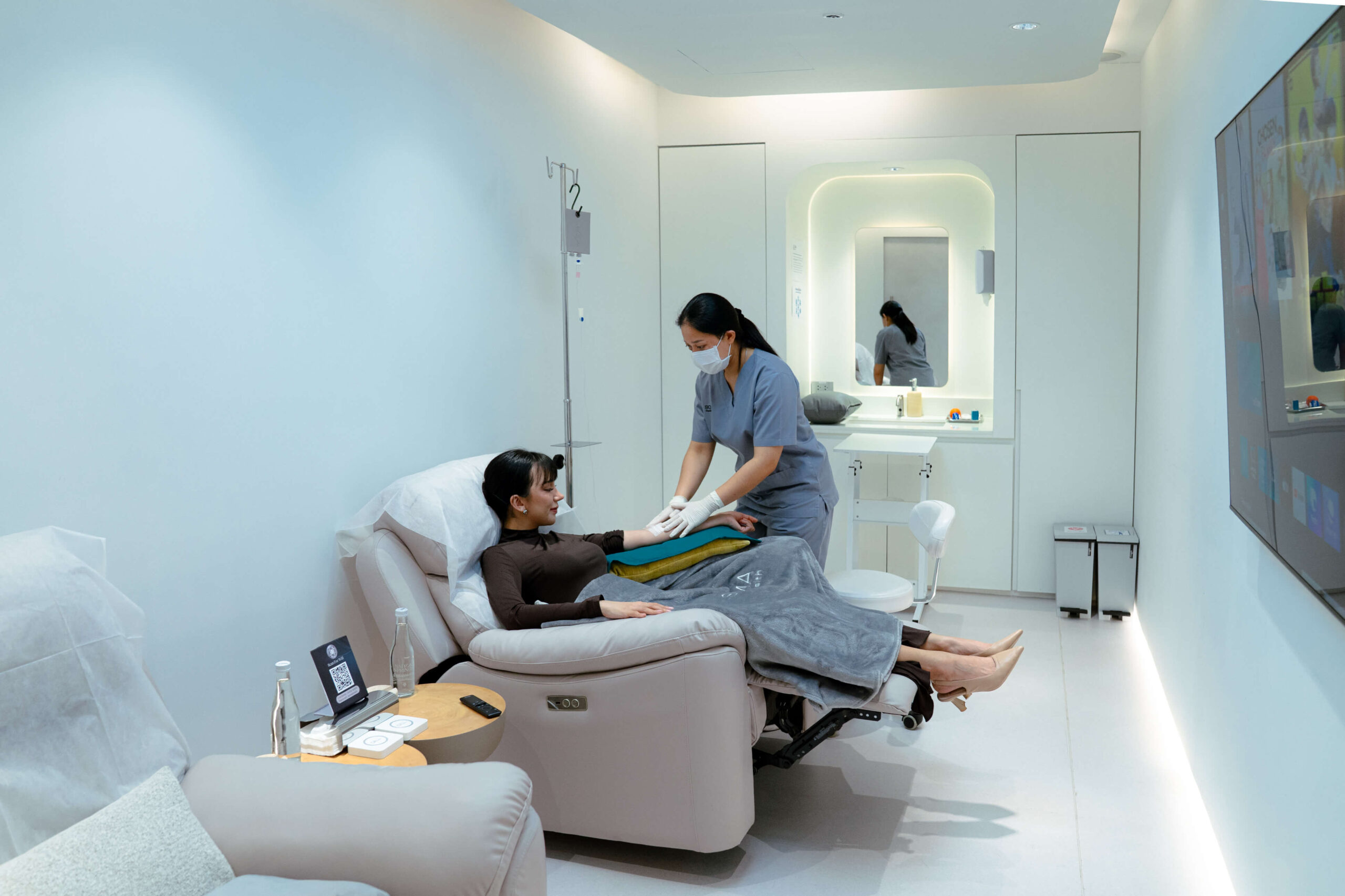
Regenerative medicine is an advanced field of healthcare that aims to restore, repair, and regenerate damaged tissues and cells. Instead of simply treating symptoms, it works by activating the body’s natural healing processes.
Key therapies within regenerative medicine include:
- Stem cell therapy
- Exosome therapy
- Platelet-rich plasma (PRP)
These approaches are designed to support tissue repair, reduce inflammation, and improve overall function—creating the potential for deeper, longer-lasting results.
Moving Beyond Symptom-Based Care
Traditional healthcare systems are largely reactive. Patients typically seek treatment after symptoms appear, and therapies are often designed to manage those symptoms rather than eliminate the underlying cause.
Regenerative medicine takes a fundamentally different approach by focusing on:
- Identifying the root cause of illness
- Supporting the body’s natural repair mechanisms
- Reducing chronic inflammation
- Enhancing long-term resilience
This proactive strategy helps individuals move from simply managing health issues to actively improving their overall well-being.
The Power of Personalization
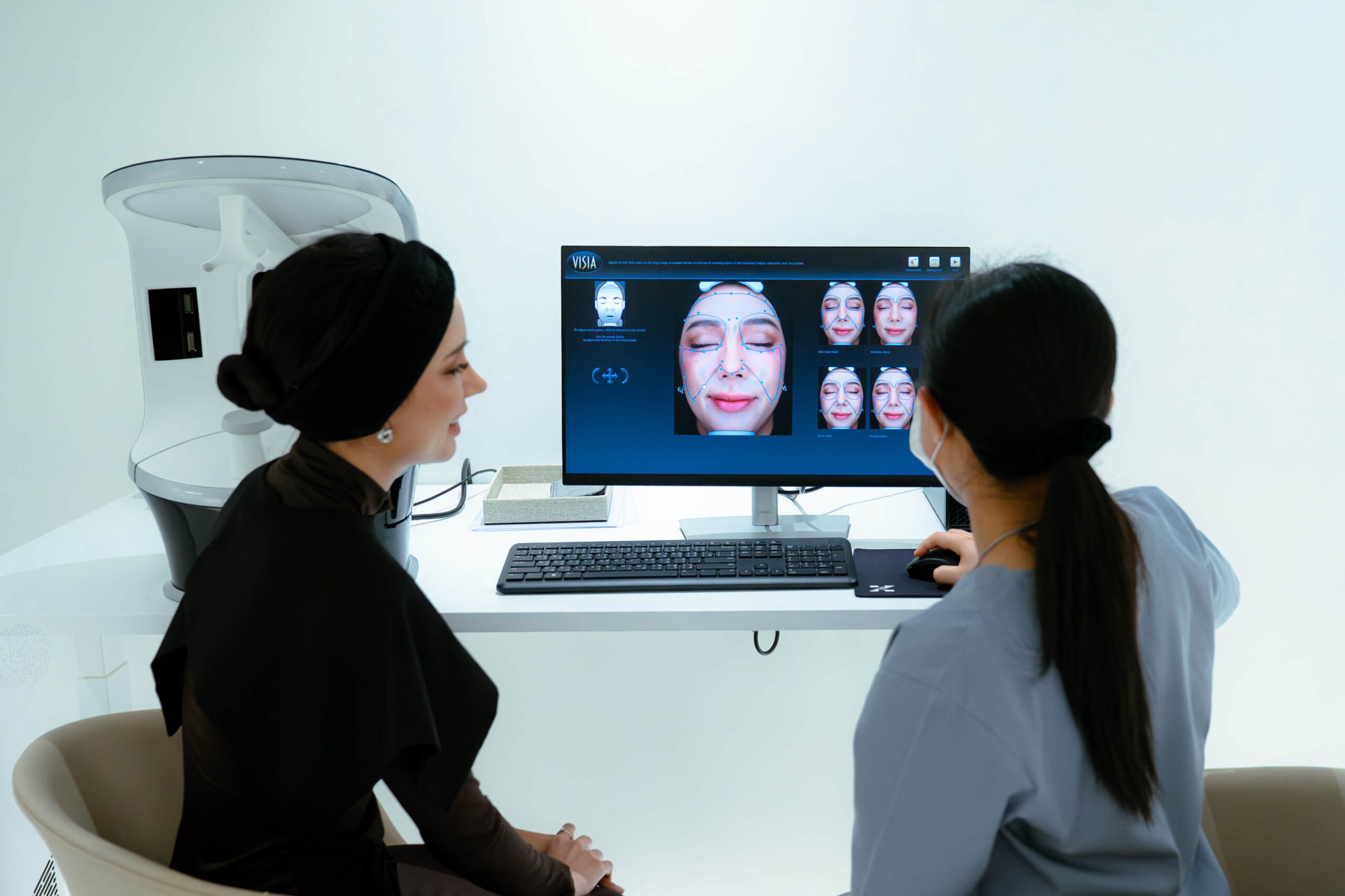
No two individuals are the same, and effective healthcare should reflect that. Regenerative medicine is often combined with personalized diagnostics to create tailored treatment plans based on each individual’s biology, lifestyle, and health history.
This level of personalization allows for:
- More precise interventions
- Improved treatment outcomes
- A more meaningful patient experience
By understanding the unique needs of each patient, healthcare becomes more targeted and effective.
Longevity and Quality of Life
The conversation around health is evolving. It is no longer just about extending lifespan—it is about enhancing healthspan, the number of years a person lives in good health.
Regenerative medicine plays a key role in this shift by helping to:
- Improve mobility and physical function
- Support cognitive performance
- Boost energy levels
- Accelerate recovery
These benefits contribute to a higher quality of life, allowing individuals to remain active, independent, and engaged as they age.
A New Standard of Care
At Soma Health, we believe that healthcare should be proactive, precise, and deeply personal. By integrating regenerative therapies with advanced diagnostics and lifestyle medicine, we aim to create meaningful, long-term transformation.
Our approach focuses on understanding the individual, identifying root causes, and delivering care that supports true healing—not just temporary relief.
Conclusion
The future of healthcare is not just about treating illness—it is about empowering the body to heal, adapt, and thrive. Regenerative medicine is leading this transformation, offering new possibilities for those seeking a more advanced and personalized approach to health.
As this field continues to evolve, it has the potential to redefine what is possible in medicine—shifting the focus from managing disease to optimizing human health.